
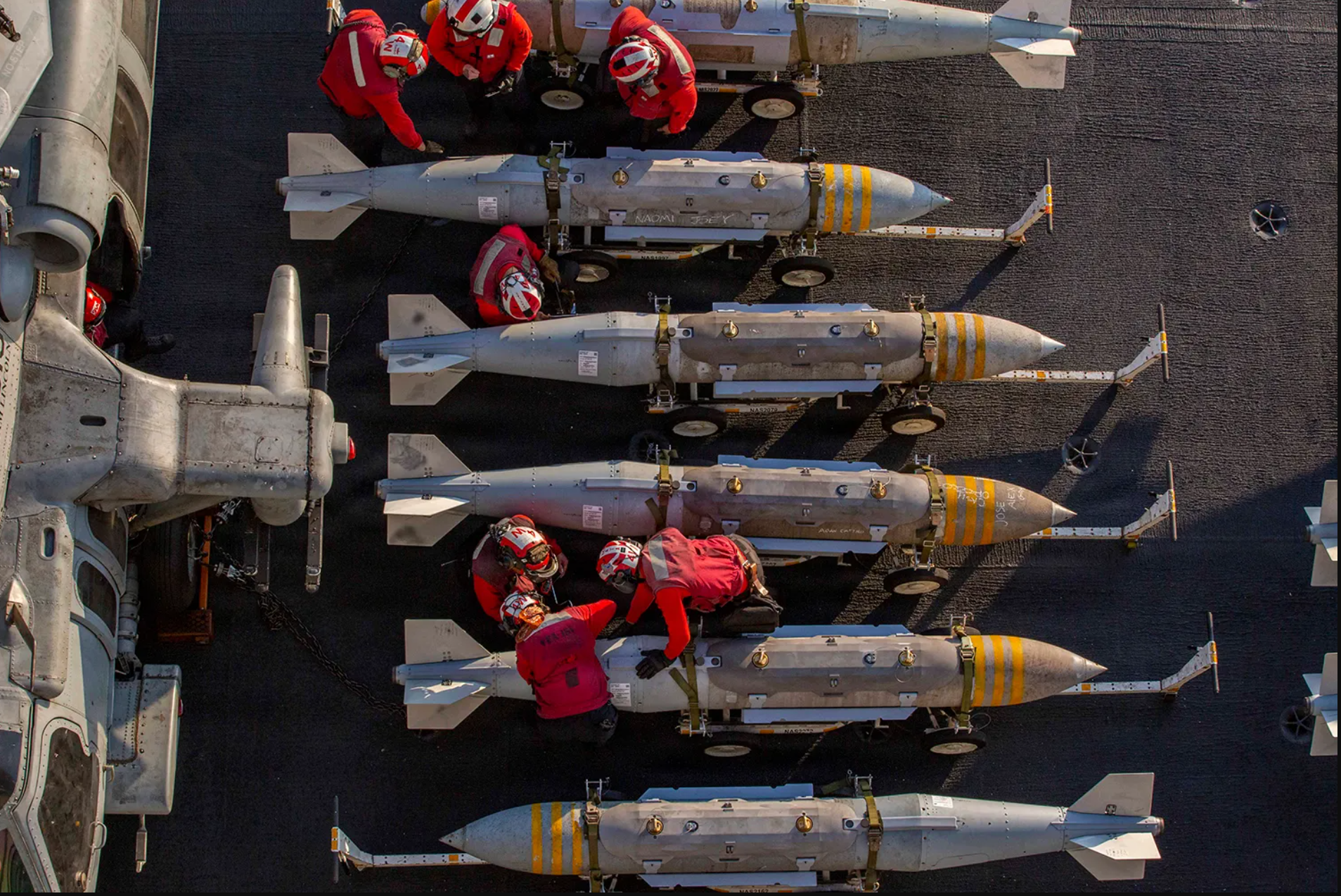
Having a limited supply of exquisite munitions is longer enough. Missile maths and how quickly you can replace consumables of combat matters. ⬇️
Iran is the largest combatant that the United States has faced since World War II. A population of over 90 million, a land mass four times the size of Iraq with a sophisticated Industrial base that produced the Shahed drone, multiple indigenous missile types and of course a nuclear program. So it is little wonder that waging an air and missile operation against this large middle power drives an insatiable appetite for the consumables of combat.
Royal United Services Institute has an insightful long read focusing on the munition usage in the first 16 days of the Iranian conflict. RUSI estimates that $26 billion worth of munitions were expended by the US, Israel and the Gulf States alone. The combat tempo is unsustainable for many types of munitions – missiles fired from HIMARS for instance are estimated to be exhausted in a further 18 days if rates of fire are maintained. In high intensity warfare cheap and quick to replace beats exquisite and artisan:
“Advanced militaries become uniquely fragile when their power depends on complex, low-density systems that are difficult to replace under stress. This emerging imperative demands a new strategic framework: ‘Command of the Reload.’ In a salvo-based environment, where ‘missile maths’ governs the intensity of warfighting, the decisive advantage shifts to the actor that can sustain its defensive economy and replenish its most critical assets.”
Australia’s present settings are not geared for this type of combat operation. Some assume away Ukraine as too unlike the Indo Pacific, but as similar challenges are seen in Iran it is clear we need to heed the lessons of modern war before we next engage in combat. No matter the rhetoric, our concept of Guided Weapons and Explosive Ordinance appears more geared to the last war, not the next.
For many of our key munitions the replenishment timeframe is set by an offshore assembly line owned by a foreign Prime. Most of our munition types cost millions, not thousands – the missile maths aren’t adding up. Australia is yet to address the Defence Strategic Review’s recommendation of accelerating the development of a fit for purpose Integrated Air and Missile Defence system. Yet as Iran shows, the way of war now waged requires a layered system that is optimised for cheap defeat:
“This reality forces a doctrinal choice: either defend everything with premium missiles and accept rapid depletion or build a layered defence that preserves those assets for the targets only they can defeat. That is why ‘cheap defeat’ is strategically vital… Cheap layers are what keep premium layers from being bankrupted by a target set that includes thousands of drones and decoys.”
Food for thought as always – the RUSI article is linked in the comments and we commend it to you.
📷 via US Department of War