How ready and resilient is our society for war – and indeed large scale disasters? We can’t afford to focus on the soldier and forget the citizen. ⬇️
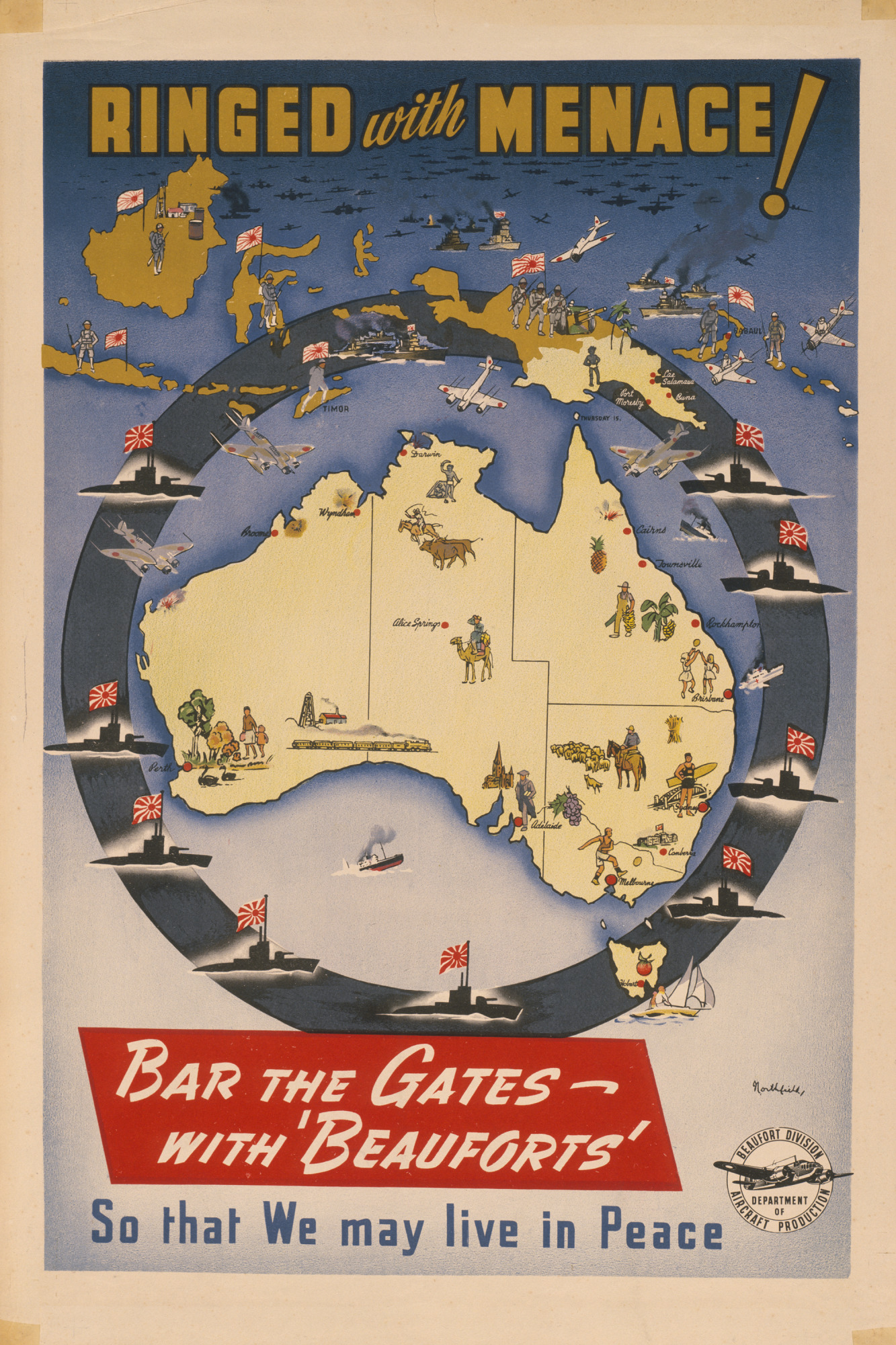
World War II saw huge disruption and evolution of the Australian economy. Close to a million men (and ~70k women) enlisted during the war of a population of ~ seven million. Significant centralised control was utilised by Government to redirect the nation’s workforce to critical industries. Perhaps most notable was the rapid increase in female participation in the workforce.
Given the high participation rate of women in the workforce in today’s society, the expansion of labour pool and replacement of civilians who join the military would look very different to World War II. Unemployed, underemployed, retirees and automation would all be essential to unlock additional capacity. Restrictions on non-essential business activities could be employed – as they were during the pandemic.
A hallmark of the recent pandemic was panic buying toilet paper. In the World Wars, Australian society was put on a rationing systems for many essentials. Petrol, clothing, tea, butter, sugar and meat for example were all restricted and rationed. Energy consumption was deliberately curtailed and planned black outs and brown outs utilised.
Leveraging the national defence approach employed by some European nations and Japan, Taiwan has formed a Whole of Society Defense Resilience Committee. Taiwan has five pillars of resilience – civilian mobilisation and training, strategic material stockpiling, critical infrastructure maintenance, preparation of essential facilities and cyber security. Taiwan is now running regular civilian exercises to build local government, community group and civilian awareness and preparedness:
“The drill was divided into two main zones. The first focused on the large-scale evacuation of coastal residents, involving approximately 300 civilians. The second simulated an attack on critical infrastructure, requiring emergency responders to manage mass casualties, establish temporary medical treatment facilities, and coordinate disaster relief operations.Military personnel were not involved in the drill. Instead, local governments led civil society to prepare the response efforts, coordinating resources with neighboring municipalities and mobilizing civilian volunteers.”
Now Taiwan is not alone in taking a whole of society Defence approach – we’ll add links about Taiwan’s approach and Sweden’s excellent ‘In Case of Crisis or War’ guide for its civilian population in the comments. Given the geopolitical context Australia chose to plan and prepare society for War in a similar way we do for natural disasters – our high risk weather ‘storm ready’ or bushfire preparedness could be a template.
Perhaps its time to add a clear responsibility to the Department of Home Affairs to build our society’s resilience and readiness should competition give way to conflict. Food for thought as always!