
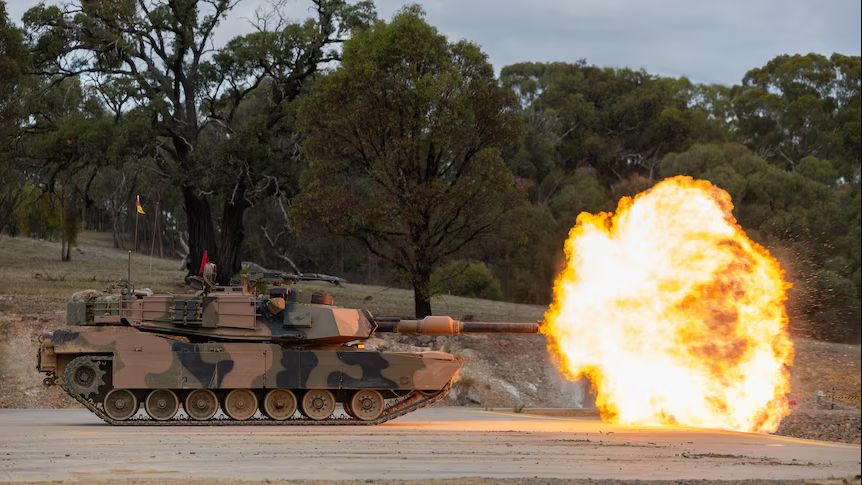
Many have been quick to relegate certain weapons and equipment to the ranks of the obsolete. But is it time for the mothballs or time to adapt? ⬇️
If you’ve been listening to podcasts about the War in Ukraine, it is impossible to miss the dulcet and slightly accented tones of one Mike Kofman. His War on the Rocks appearances, The Russia Contingency series and prolific punditry across podcast and print have been a mainstay of the study of this terrible war.
Mike’s recent appearance on the Revolution of Military Affairs podcast was an interesting one. Battle through the poor quality audio and you’ll get some thought-provoking insights on the current state of the War in Ukraine. To wrap up Mike was asked to reflect on the ‘bad lessons’ he’s hearing from the talking heads and armchair experts that have popped up in the combat commentary cottage industry. He zeroed in on a tendency to write off certain weapons of war as obsolete.
In Mike assessment obsolescence has nothing to do with a particular loss rate in a war. He summarised that military obsolescence should be gauged on three factors:
1️⃣ Is the mission role for this thing still relevant?
2️⃣ Is there something else that does this job better?
3️⃣ Can something do this job in a more cost effective manner?
It is only when all three factors are met that said weapons or equipment are obsolete. Even then there may still be continued use cases for obsolete but in service equipment. The war in Ukraine has seen Russia returning tanks and artillery to service from war stocks and even displays, a form of sweating obsolete and outdated assets.
A ‘garden’ Gun returned to service is better than having no Gun. Perhaps there’s some life left in those steel beasts after all…
As always – food for thought.
📷 via Department of Defence, links to the podcast are in the comments.