
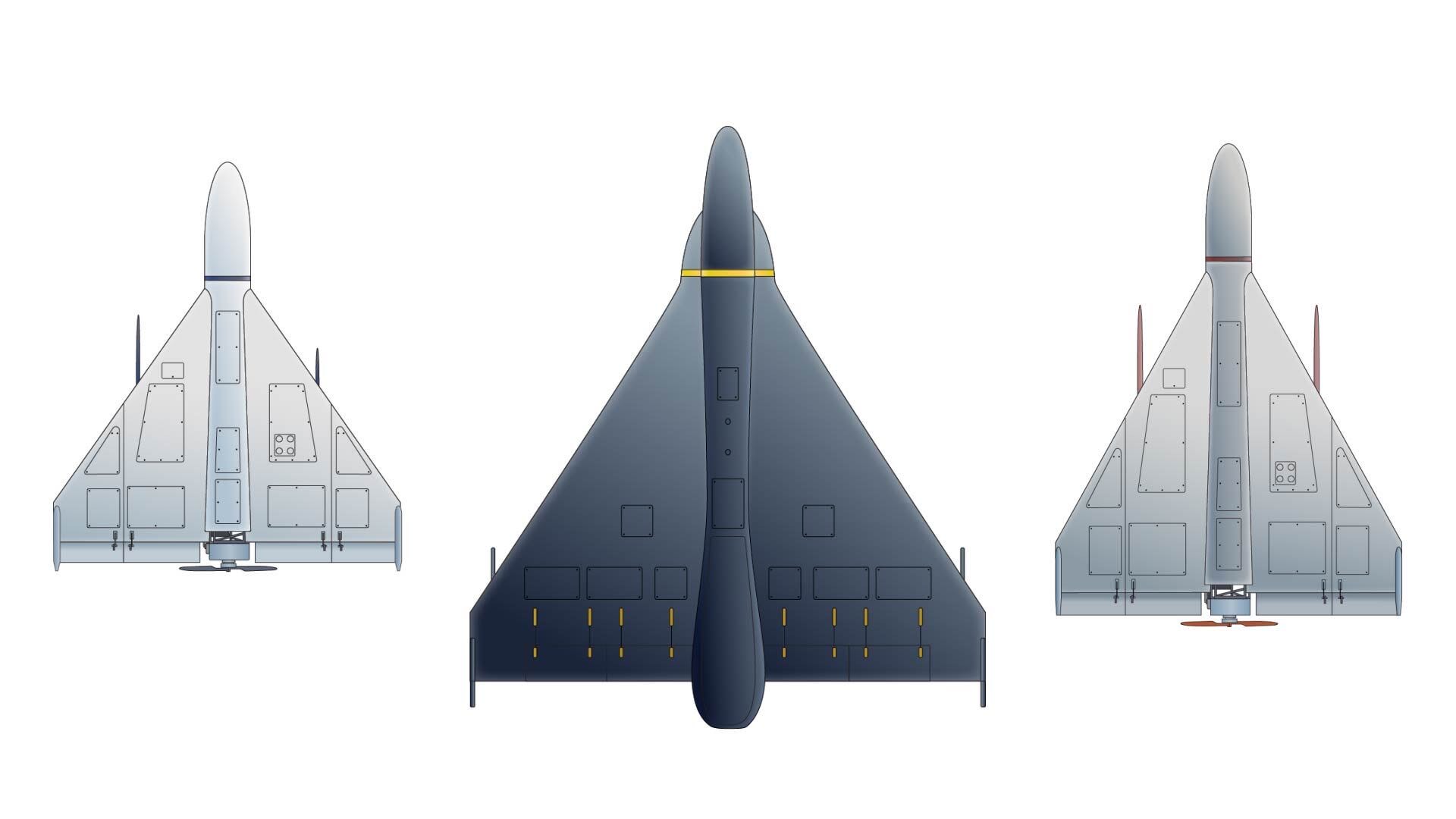
There is a brutal combat calculus on display as long war once again underlines the importance of scale, simplicity and sustainability of effort. ⬇️
It is worth considering how the war in Ukraine has shifted as the Russian war machine has optimised and adapted to reduce and overturn the innovative edge Ukraine gained. We begin with the disclaimer that Ukraine is not the Indo Pacific and lessons need to be filtered accordingly – Mick Ryan’s ‘Translating Ukraine Lessons for the Pacific Theatre’ is a great place to start.
CNN has an excellent article that focuses on the adaption cycle Russia has employed to introduce into service the infamous Shahed drone, incorporating lessons to improve lethality and mitigate or mislead Ukraine’s counter measures.
“The percentage of drones that hit their targets has roughly doubled, with a hit rate of close to 20% since April, compared with 2024, when less than 10% hit targets on average, said Yasir Atalan, a data fellow at CSIS. And, the CSIS analysts wrote in their analysis, ‘it doesn’t matter if an individual Shahed hits its target. What matters is the compound effect the terror weapon has on civilians and the stress it places on air defenses.'”
Russia has simplified strike. Instead of needing high end air or land launched precision missile packages, they’ve been able to mount low cost strike packages at scale. Waves of drones including decoys to further increase the cost calculus for the Defender in this war of attrition.
When ‘effectors’ are efficient and economical you can both sustain the fight for longer and scale the rate of effort in your targeting enterprise. When ‘effectors’ are substantially cheaper than the ‘interceptors’ your opponent employ to defend, you are creating a cost advantage, not just a combat edge:
“After obtaining Iranian designs for Shahed attack drones, Russia built its own massive factory to churn out thousands of these weapons each month. Its evolving tactics are forcing Ukraine to fight back with more expensive ammunition and innovations, as less costly methods of defense become less effective.”
Leveraging the economies of scale to reduce per unit cost hasn’t been the only advantage of focused investment on the Shahed and newer Russian variants. Cost engineering and innovation to simplify in service solutions also has a clear advantage over introducing new equipment and weapons. No need to incur an additional training liability and adjust existing supply chains when you focus your arsenal and specialise in being brilliant at the basics. It pays to remember that Long wars are won by simple and scalable solutions, not wonder weapons.
Food for thought!
🖼️ via CNN and a link to the this excellent CNN Investigation and Mick Ryan’s Australian Army Research Centre paper are in the comments.