
“This might be the first war in which a soldier can text a manufacturer over WhatsApp about problems with the latter’s product.” Innovate or die… ⬇️
War on the Rocks ‘The Cogs of War’ series has a great interview with one of the Co-Founders of Snake Island Institute, a Ukrainian defence think tank. The article focuses on Ukraine’s Battlefield Innovation Loop and how harnessing innovation and battlefield experience is helping keep Ukraine in the fight:
“In Ukraine, the end user’s requirements drive innovation, and any technology that reaches the battlefield is evaluated immediately under harsh conditions. In the Western world, on the other hand, the private market often dictates the direction of innovation. This means that a lot of Western technology can be far from emergent battlefield needs. It also means that certain technologies can’t keep up with the pace of change.”
Beaten Zone Venture Partners Advisor Mick Ryan has a great report on ‘Modern war and the systemic learning deficit in Western military institutions’ for the Lowy Institute. He makes a compelling case that the West is not harnessing the lessons of contemporary conflict and evolving our way of war accordingly:
“Western military institutions, including in Australia, are failing to energetically learn from modern wars. Despite four years of unprecedented visibility into Ukrainian battlefield innovations, and the recent war in Iran, Western forces have not institutionalised key lessons into doctrine, force structure, or procurement priorities.”
Western militaries continue over investing in expensive, low-density systems. This not a bug – it’s a feature of organisational culture, of promotion systems that reward conformity over innovation and a lack of institutional accountability for learning. Sunk costs paralyse prioritisation and a huge gap between the end user and the original equipment manufacturer often results in outcomes that are fit for the contract not fit for combat.
We’ll finish up with a final quote from Snake Island Institute which identified Ukraine’s innovation in the Black Sea as a prime example for planners considering competition and conflict in the Indo-Pacific littoral:
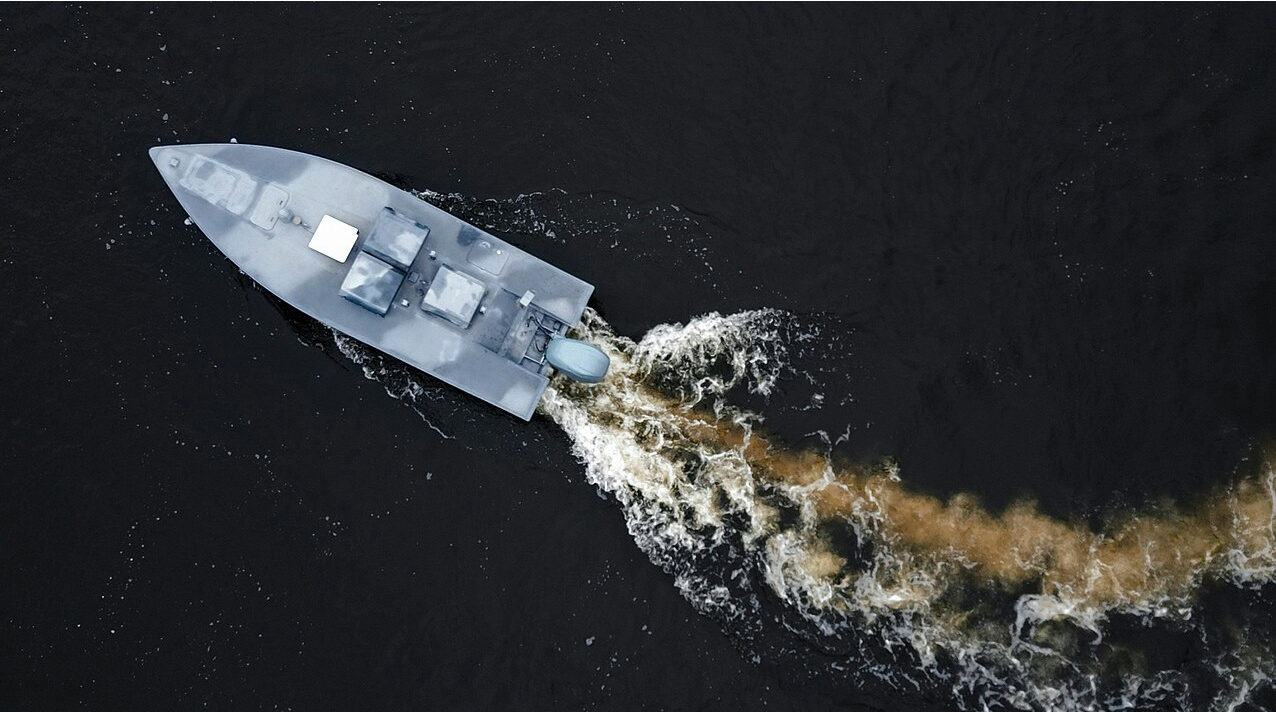
“The Black Sea answer was not a more capable platform, but a class of platforms cheap enough to deploy at scale. Magura and Sea Baby unit costs sit in the hundreds of thousands of dollars rather than tens of millions. Anyone planning around Taiwan should be reading Black Sea operations as a baseline.”
Food for thought as always. Lessons to be learned for Defence, Industry, Academia and Government!
📷 via The National Interest and links to the articles mentioned are in the comments.